Automotive Filter Road Test: 15 Days Across 12 Provinces
NAKATU’s manufacturing partner road-tested engine air, oil and cabin filters for 15 days across 12 regions of China — highways to rural roads, day and night.

For automotive filters, everyday driving brings a combination of challenges: changing road conditions, long operating hours, varying temperatures, and exposure to dust and other airborne contaminants. Laboratory testing covers part of that picture. Real roads cover the rest.
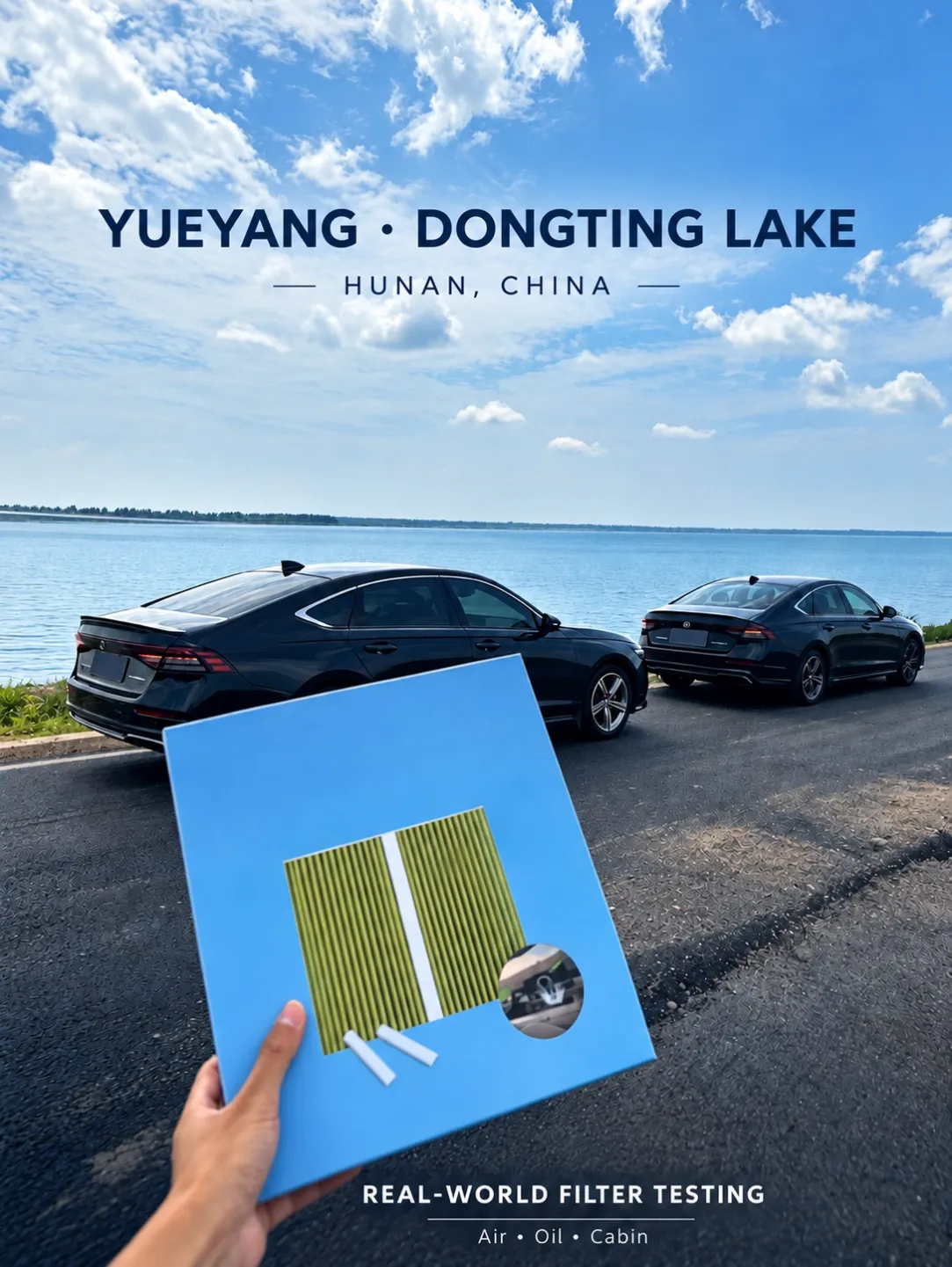
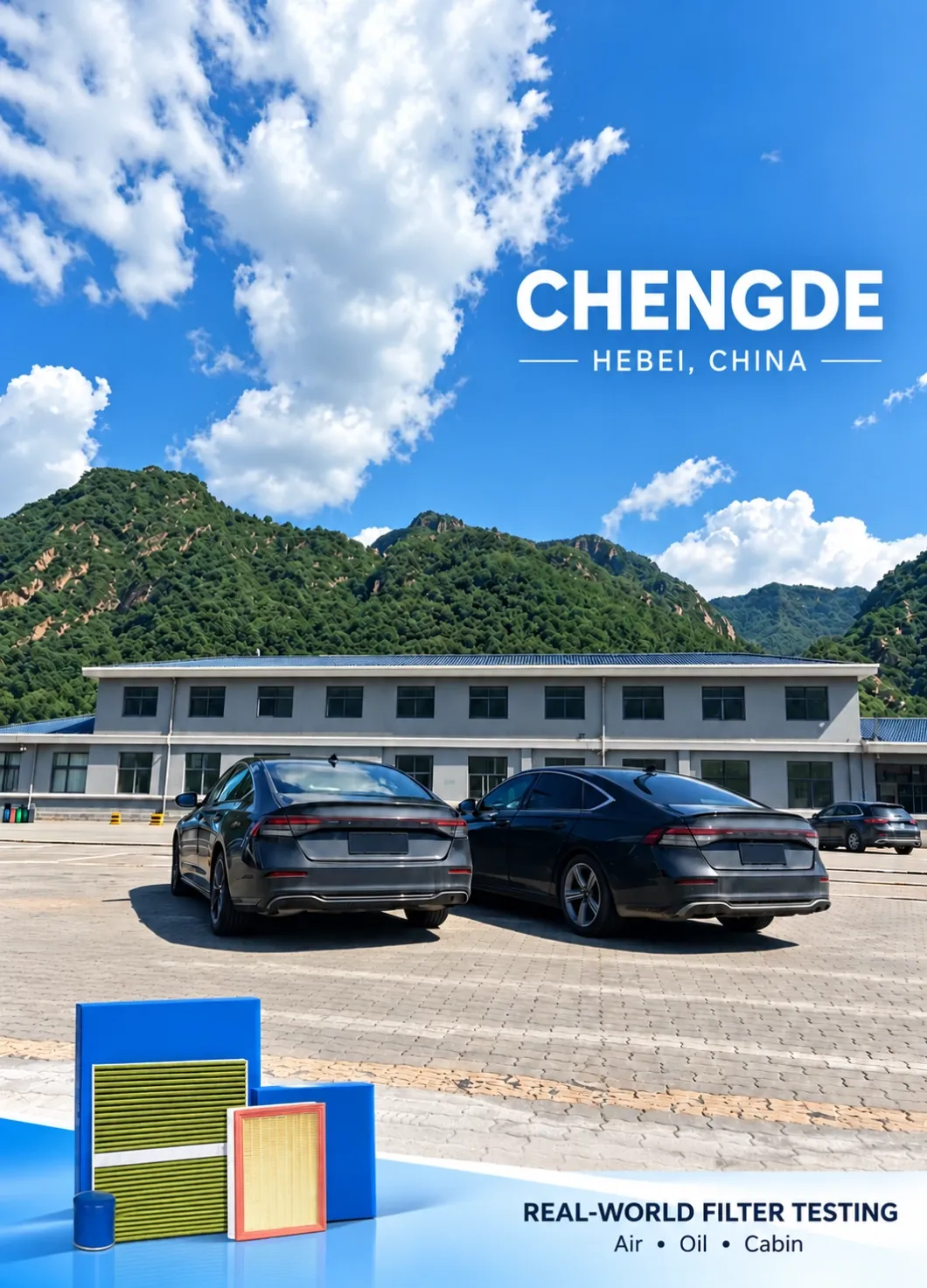
From July 20 to August 4, 2026, NAKATU’s manufacturing partner ran a 15-day road test of three passenger-car filter types — engine air filters, oil filters and cabin air filters — across 12 provincial-level regions of China. This post records the route, the conditions the filters faced, and what happens to the data now that the vehicles are back in Dongguan.
Key Facts at a Glance
Test period: July 20 – August 4, 2026 (15 days).
Fleet and team: 3 test vehicles, 6 staff.
Start and end point: Dongguan, Guangdong (the manufacturing base).
Regions covered: Guangdong, Hunan, Hubei, Anhui, Henan, Hebei, Beijing, Tianjin, Inner Mongolia, and Northeast China — 12 provincial-level regions in total.
Products tested: engine air filters, oil filters, cabin air filters.
Road types: highways, urban roads, national roads and rural roads.
Operating conditions: day and night driving, changing weather and wide temperature differences.
Three Filter Types, One Extended Road Test
The road-test program departed from Dongguan on July 20, 2026, with three test vehicles and a six-person team. Over 15 days the vehicles crossed Guangdong, Hunan, Hubei, Anhui, Henan, Hebei, Beijing, Tianjin, Inner Mongolia and Northeast China, returning to Dongguan on August 4 with the planned route completed.
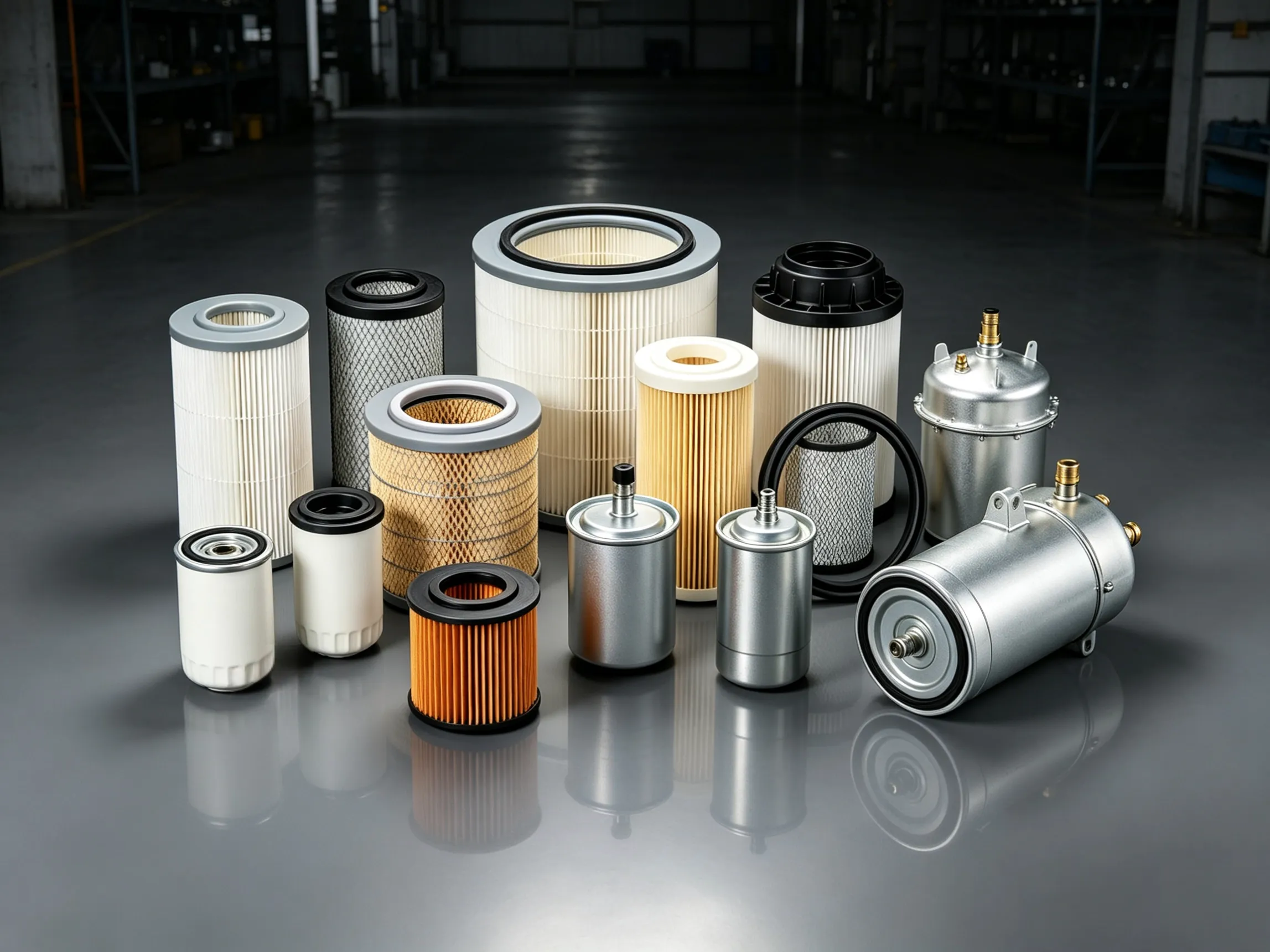
The program focused on the three filtration products a passenger car renews most often:
Engine air filters — prevent airborne dust and particles from entering the engine’s intake system.
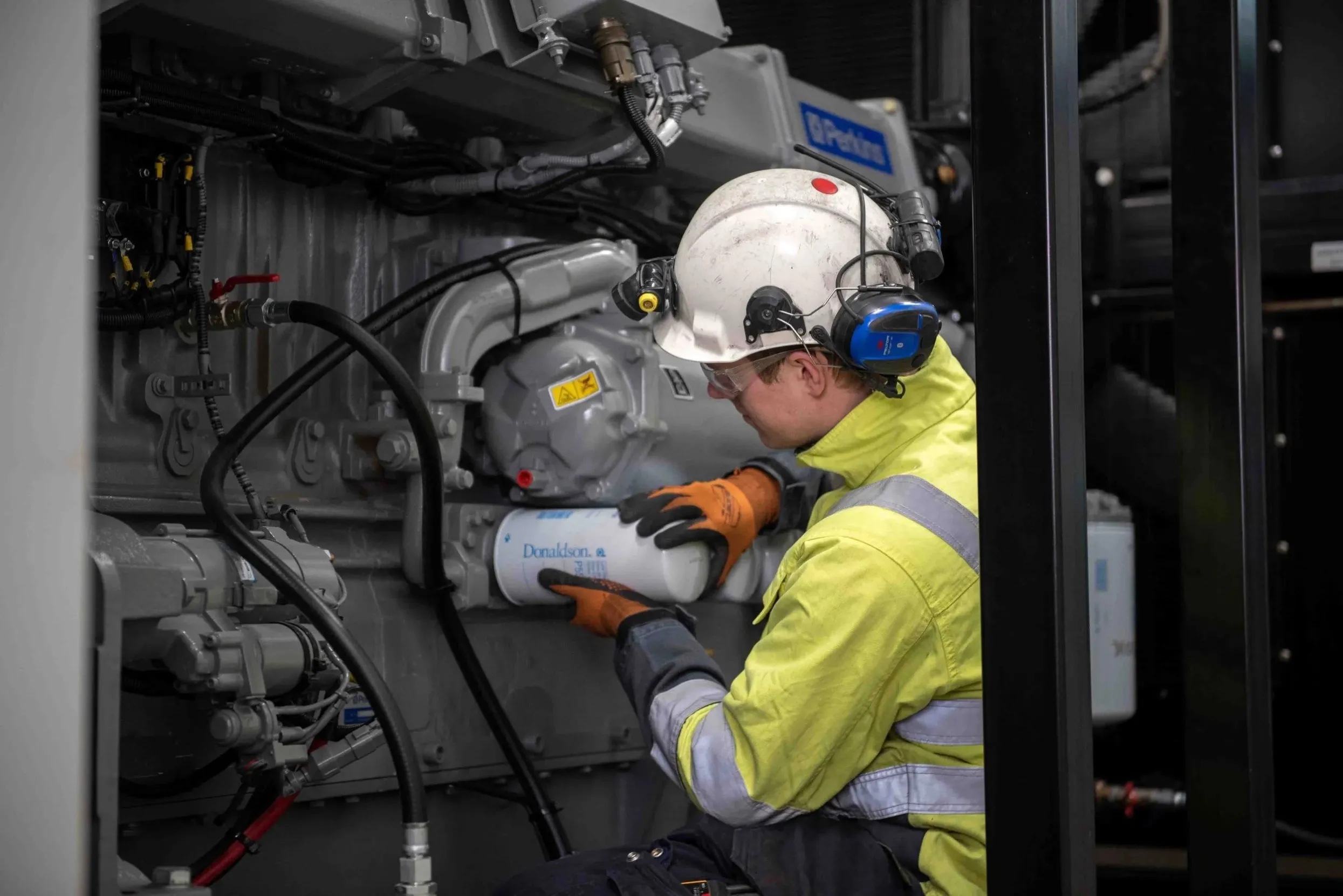
Oil filters — remove contaminants from the circulating engine oil.
Cabin air filters — reduce the airborne particles that enter the passenger compartment through the ventilation system.
Each filter does a different job, so testing all three over the same route gives a fuller picture than a single-product trial.
From Highways to Rural Roads
The route combined highway driving, urban traffic, national roads and rural roads, and testing ran around the clock — daylight, darkness, changing weather and wide temperature swings.
The mix matters because filters see different duty in different conditions. Long highway running keeps an oil filter working at sustained temperature; dusty rural roads push an engine air filter toward its dust-holding capacity; city driving adds frequent stops, idling and heavy cabin-air use in traffic. Covering all of these in one journey is the point of the test — it comes closer to how owners actually drive than a single bench scenario can.
The Testing Continues After the Journey Ends
Completing the route is one stage of the evaluation, not the end of it. The used filter samples now go to a joint review by the engineering, production and quality teams: teardown and disassembly, inspection of the filter media and internal structure, performance re-checks, and systematic organization of the operating data recorded along the way.
Findings from that review feed back into filter materials and manufacturing processes — that is the practical purpose of the program. Detailed teardown results are not part of this first report. Once the review is complete, we will publish a follow-up with what the disassembled filters show.
What This Means for Replacement Filter Buyers
For distributors, importers and aftermarket businesses, product selection involves more than matching a part number. Fitment, specifications, consistent supply and evidence of product evaluation all belong in the buying decision. A documented road test does not replace laboratory data, but it shows how a supplier’s products handle the conditions your customers actually drive in.
The same care applies when the order itself is put together. If you start from other brands’ part numbers, our Fleetguard cross-reference guide explains how to verify a reference before ordering, and our quote-request guide covers what to prepare so a supplier can answer in one round.
At NAKATU we treat this kind of validation as information worth having before a purchase order, not as decoration. It supports a more concrete conversation about the intended application and what a replacement filter needs to survive.
Discuss Your Filter Requirements with NAKATU
NAKATU supplies replacement filters for the automotive aftermarket. If you are looking for engine air filters, oil filters or cabin air filters, send us your OEM reference numbers, vehicle applications and required quantities. We will review the available options, help confirm the specifications, and reply with a quotation.
You can browse the current replacement filter range on our Products page or send your inquiry through the contact page — either way it reaches the same desk.
Frequently Asked Questions
Which filters were tested in the road test?
Engine air filters, oil filters and cabin air filters for passenger cars, fitted on three test vehicles that ran the full route.
When and where did the test take place?
July 20 to August 4, 2026. The route started and ended at the manufacturing base in Dongguan, Guangdong, and crossed 12 provincial-level regions: Guangdong, Hunan, Hubei, Anhui, Henan, Hebei, Beijing, Tianjin, Inner Mongolia and Northeast China.
Why test filters on real roads instead of only in the lab?
Laboratory tests check filtration performance under controlled conditions. Road testing adds the variables a filter meets in service: dust levels that change by region, vibration, day-and-night operating hours and wide temperature swings. Together they show how a product holds up closer to real ownership.